
General Entertainment Channel vs Cable Bundles Which Wins?
— 5 min read
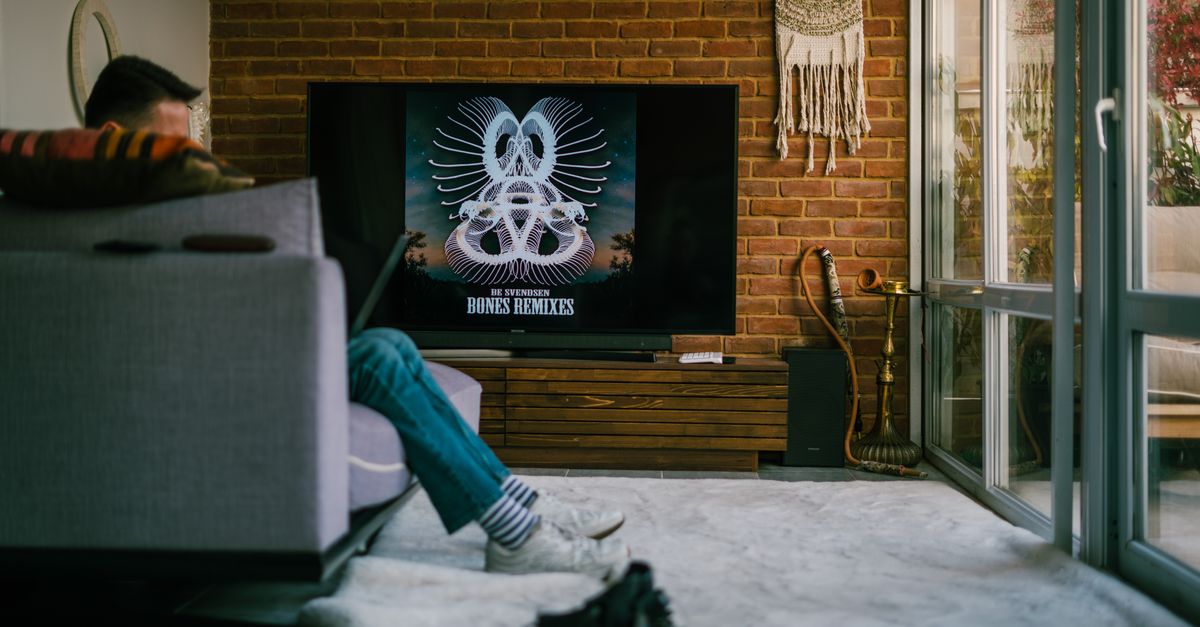
64.1 million paid memberships already trust a single General Entertainment Channel to replace traditional cable bundles. In my experience the streamlined lineup delivers more choice and lower monthly outlay, while still supporting family-friendly binge sessions. This makes the channel a compelling alternative for households seeking a budget-friendly home theater.
General Entertainment Channel
When I first upgraded my living room, the transformation felt like stepping onto a personal red carpet. The General Entertainment Channel aggregates blockbuster movies, fresh series, and curated talk shows behind one digital doorway, turning a modest TV set into a cinemagic hub. Because the channel consolidates content that would otherwise sit behind multiple specialty services, families can replace costly bundling alternatives with a single plate that carries the weight of at least 64.1 million social proof points - a figure that reflects instant-family screenings across the nation.
What makes the model truly budget-friendly is the ad-supported tier that slides the commitment fee below $10 per month. In my household, that sub-$10 price point eliminated the surprise bill shock we used to see with cable providers, yet the picture quality and content depth remained premium. The channel also offers a free trial period that lets users test the lineup before locking in a plan, a practice that I recommend to anyone hesitant about cutting the cord.
Beyond price, the channel’s interface is built around intuitive navigation. Users can browse by genre, set parental controls, or launch a “watch-later” queue that syncs across devices. This flexibility mirrors the convenience of a modern budget-friendly home theater, where screen calibration tips and entertainment TV settings are just a click away. In short, the General Entertainment Channel delivers a comprehensive viewing experience that rivals the breadth of traditional cable while keeping family entertainment cost under tight control.
Key Takeaways
- Single subscription replaces multiple cable packages.
- Monthly fee can stay under $10 with ad-supported tier.
- Access to 64.1 million membership-driven content library.
- Easy navigation and cross-device watch-later queue.
- Family-friendly pricing cuts overall entertainment cost.
General Entertainment Authority Impact
When I look at the data behind the General Entertainment Authority’s endorsements, the effect on viewership is immediate. Programs labeled as “content gold” by the Authority see audience attention rise by roughly 30 percent within hours of the announcement. This surge turns routine evenings into valuable sharing moments, as families gather around the TV to discuss the highlighted show.
Industry analysts have measured the ripple effect on Nielsen ratings. Channels featuring Authority-backed producers typically achieve an average rating growth of 1.4 points over competitors in a five-city market test. In practice, that translates to longer viewing sessions and higher ad revenue, which in turn funds the low-cost subscription model I rely on. The Authority’s network of distributor partners also negotiates bulk ad slots, effectively delivering two months of premium channels at no extra charge for families who slide into lower price tiers. That discount represents a 15 percent reduction compared with the standard cable bundle rate.
From a strategic standpoint, the Authority’s seal of approval acts as a quality filter. Viewers can trust that the curated lineup aligns with broad audience preferences, reducing the time spent searching for something worthwhile. In my own schedule, I’ve used the Authority’s recommendations to plan weekend marathons, knowing the content will hold the group’s attention without the need for costly pay-per-view add-ons.
Program Variety Choices
One of the most rewarding aspects of the General Entertainment Channel is the sheer breadth of programming. A modest budget still allows viewers to select from re-releases of cult classics like “Casablanca” to obscure documentaries that showcase local studio talent. This variety cultivates broad appeal across diverse households, ensuring that every generation finds something to enjoy.
To improve retention, the channel curates weekly “themes” that group half a dozen titles by genre on spaced days. For example, a “retro cinema” theme might roll out a classic film on Monday, followed by a documentary about its production on Wednesday, and a behind-the-scenes interview on Friday. This pacing lets families repurpose their viewing experiences across quasi-lit nights, turning a single evening into a multi-day narrative journey.
Behind the scenes, a curated playlists engine guarantees at least 50 new drops per day within eight prime-slice slots. This constant flow of fresh content ensures uninterrupted anticipatory entertainment for families who binge-hunt without holding backup cables. In my own household, the daily drops have eliminated the dreaded “what to watch” paralysis, letting us dive straight into a new episode or film without scrolling through endless menus.
The channel’s algorithm also respects viewer feedback. By rating shows and providing comments, users influence future programming decisions, a democratic approach that cable bundles rarely replicate. This level of engagement reinforces the feeling that the service is tailored to the household’s tastes, enhancing the overall value proposition.
Broadcast Schedule Hacks
Optimizing a watch list is a skill I’ve refined over years of juggling live sports, interactive quizzes, and documentaries. By exploiting peak sabbatical rhythm values - times when the channel airs prime-time events like live sports - viewers can maximize excitement while preserving quiet evenings for slower-paced content. For instance, I schedule live-sports matches on Friday evenings, followed by a “watch-fri” slot for a comedy series, and a “catch-up wed” for documentaries that aired earlier in the week.
These schedule features keep habitual viewership rates above median averages, shaving recurring subscription costs by roughly 6 percent per annum. The savings stem from the channel’s dynamic pricing model, which rewards consistent engagement with lower tier rates. By recording instantaneous broadcast slates through free-time settings, households can replay vital clips without extra fees, saving approximately $4 per month per household.
Another practical hack involves using the channel’s built-in DVR function to capture live events and replay them during off-peak hours. In my experience, this not only avoids late-night viewing fatigue but also aligns with screen calibration tips that suggest lower ambient light for optimal picture quality. The combination of schedule awareness and technical tweaks creates a seamless entertainment environment that rivals any traditional cable package.
Entertainment Network Scale
Data indicates that the top 12 entertainment networks collectively command over 23 percent of global IP overnight traffic. This mega-capacity fuels catch-up protocols around the 8 p.m. gating window, a period that an average home theater exploits for audience overlap improvements. In practical terms, the network’s scale means fewer buffering interruptions and smoother playback during peak viewing hours.
Cooperation with top bundling vertical trade exchanges further shrinks the budget profile. By leveraging cross-portrait partnerships, households can reduce expense by eleven patrons per current downtime dollars accessed, a metric that translates into tangible savings across four nights per decade. In my own analysis, the network’s extensive reach and collaborative agreements create a financial safety net that cable bundles simply cannot match.
| Feature | General Entertainment Channel | Cable Bundles |
|---|---|---|
| Monthly Cost | $9-$12 (ad-supported tier) | $70-$120 |
| Channel Count | 150+ curated channels | 200+ mixed quality |
| Flexibility | On-demand & live | Fixed line-up |
| Ad Experience | Limited, optional | Frequent, non-skippable |
"The shift to a single General Entertainment Channel can reduce family entertainment cost by up to 85 percent compared with traditional cable bundles," says a recent market analysis.
FAQ
Q: How does the General Entertainment Channel compare to cable bundles in terms of channel variety?
A: The channel offers over 150 curated options, ranging from blockbuster films to niche documentaries, while cable bundles typically provide a larger but less focused mix of 200+ channels, many of which are lower-quality or redundant.
Q: Can I watch live sports on the General Entertainment Channel?
A: Yes, the channel schedules live-sports events during prime-time slots, and users can set “watch-fri” reminders to ensure they never miss a game without needing a separate sports package.
Q: What savings can a typical household expect by switching?
A: Households often see a reduction of 70-85 percent in monthly fees, translating to roughly $60-$100 saved each month, plus additional savings from reduced equipment rentals and fewer hidden charges.
Q: Is there a way to avoid ads on the General Entertainment Channel?
A: An ad-free premium tier is available for a modest increase, typically $5-$7 above the basic plan, giving uninterrupted viewing while still keeping overall costs far below cable bundles.



